
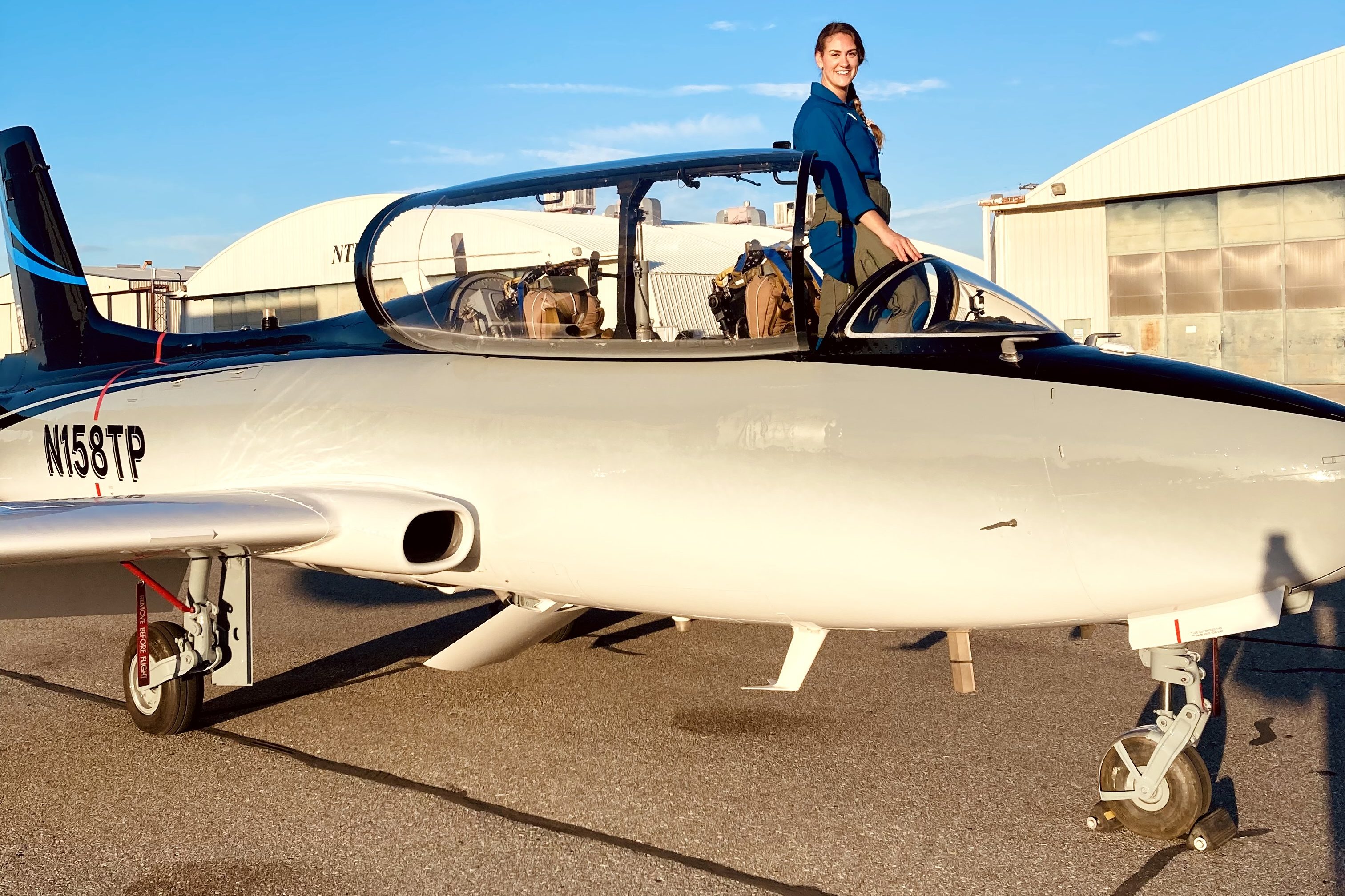
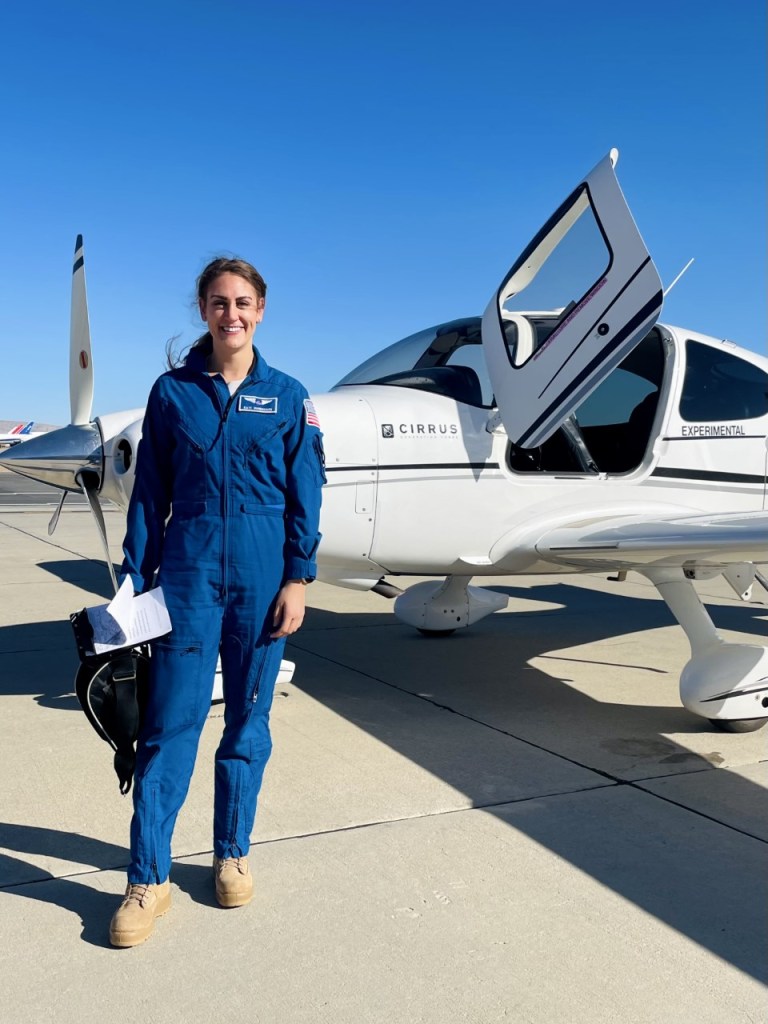
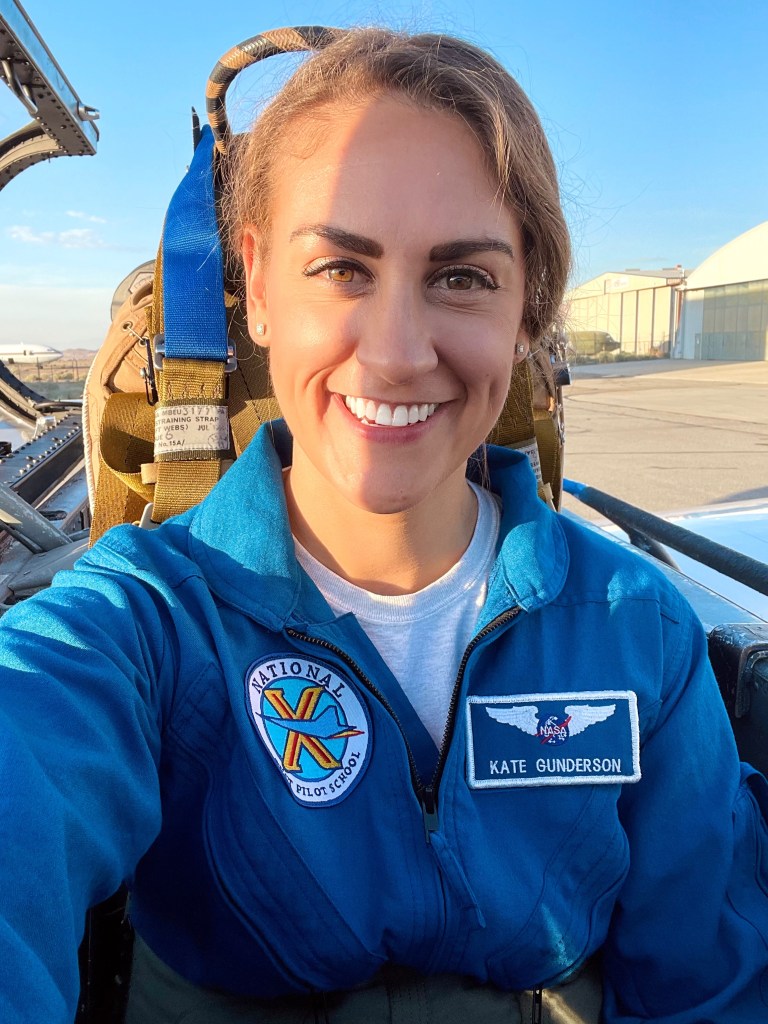
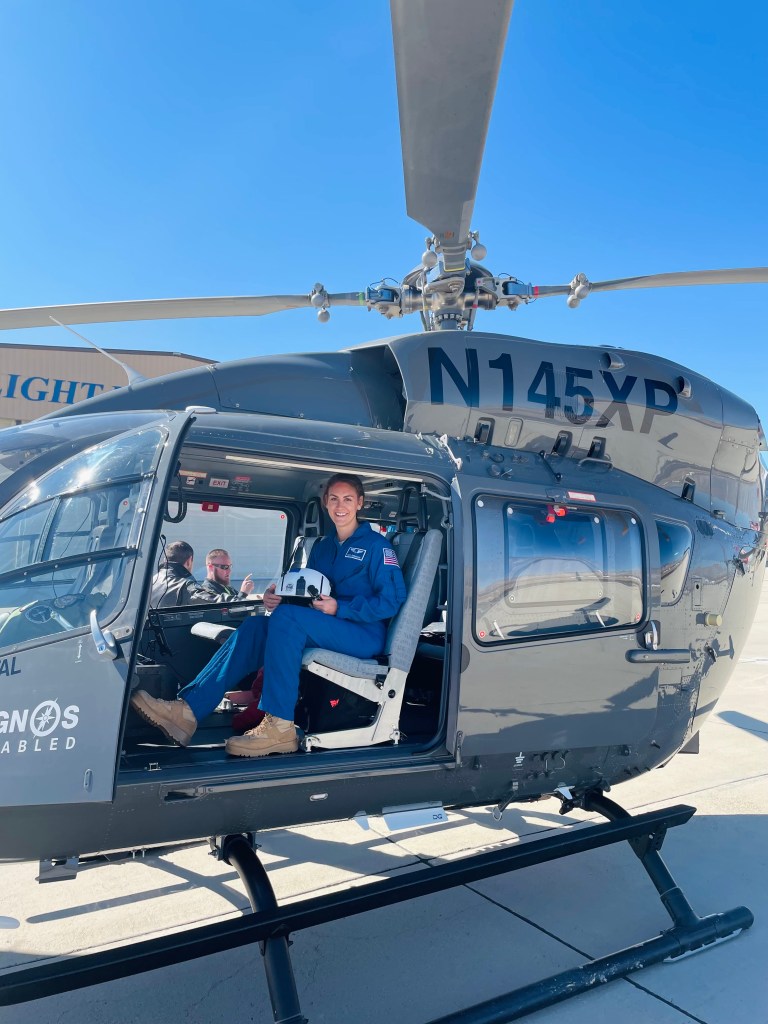
After announcing my big news that I was selected on a full fellowship to attend the National Test Pilot School, I received a lot of interest from readers wanting to know a whole lot more about flight test engineering, test pilot school, and the fellowship.
This is part three of my series on Flight Test Engineering where I’ll tell you how I scored an opportunity to get paid to attend the National Test Pilot School and how you can apply in the future (along with some of my tips for applying)!
You can find part one by clicking here. It gives a brief introduction to flight test engineering, the role flight test engineers play, and why flight test engineering is a crucial step to the development and certification of aircraft and spacecraft.
In part two we discussed the unique skills required of flight test engineers and some examples of where you might work as a Flight Test Engineer. Find it here.
The National Test Pilot School is the first accredited test pilot school in the world and is located in Mojave, CA. It is similar but different from the U.S. military’s test pilot schools in that it is a non-profit which commonly trains both military and civilian students from all over the world. To learn more about what test pilot school is like visit this page.
Because test pilot school professional courses can cost upwards of $1 million, the majority of certified FTEs come through the military test pilot schools. As a way to meet the aerospace industry’s growing need for FTEs, each year NTPS awards 1-2 candidates its Flight Test Engineering Graduate Assistant Fellowship. Those who receive the fellowship and complete the 3-year program graduate with a Masters of Science degree in Flight Test Engineering, a professional course certificate in flight test engineering, and 3 years of practical flight test experience. Applications are welcomed from all over the world (ABET-accredited degree required). Please note, the application process described below was my personal experience, and does not necessarily indicate the complete list of requirements from year to year.
The application consists of:
- A statement of purpose explaining your interest and career aspirations in flight test
- Resume
- College transcript from an accredited engineering program
After each candidate’s application is reviewed, the finalists are interviewed. I highly suggest only applying if you are willing and able to commit to the program, as things generally move pretty quickly once the application period closes.
My tips for the application:
- Make a list of the skills you currently have that could make you a great candidate, and a second list of the skills you hope to learn if you were to be awarded the fellowship.
- Consider your dream career and how the fellowship and resulting certification would help you achieve your goals.
- Have someone review your resume and statement of purpose for grammar and spelling errors prior to submitting.
I’ll be sure to post on Instagram when the next application period is announced, so keep your eyes peeled here. As always, feel free to drop questions in the comments section here or on Instagram, or schedule a one-on-one with me if you’d like to chat further about your career aspirations.
 The Plane Kate
I wrote a letter of recommendation for a young lady who was well qualified and interested in this position. Ultimately she was not selected and I was curious why. I eventually saw your qualifications and experience and immediately recognized that you indeed were the superior applicant!!!
LikeLiked by 1 person
Is this only for engineers or physicist as well? Thank you.
LikeLike
Hi Maggie! Thanks for your question. NTPS requires FTEs to have a minimum of a bachelor’s degree in math, science or engineering so you should be ok. Here is the webpage for the professional course: https://www.ntps.edu/professional/test-pilot-flight-test-engineer-professional-course.html.
Feel free to contact the school for specific entrance questions either by phone or by emailing ntps@ntps.edu.
LikeLike
Thank you. Do you know when they will announce the application?
LikeLiked by 1 person
Should be going out in the next week or two. I’ll be sure to post about it here and on my Instagram page as well!
LikeLike
I’m studying Physics at UC Berkeley right now. Given that Physics isn’t an ABET accredited engineering program would I have to pursue a masters in engineering before applying to this program? Also is flight experience considered?
LikeLike
Hi Joshua,
In my personal opinion, I would still apply. I’m not directly involved in the selection process at all, but you never know what experiences you have that may set you apart. Something to keep in mind, however, is that the courses are definitely going to include engineering concepts so not having that background could make things quite difficult with the fast pace and that may be something they weigh heavily in reviewing the applications. Flight experience is not essential at all and not really considered in the selection process.
LikeLike
Hello, I am graduating with my BS in aerospace engineering and BS in computer science in the spring. Would you be willing to chat with me about how to start my journey to become a test pilot? Attending NTPS is my ultimate goal and any advice on where to begin and how to proceed after graduation would be greatly appreciated. Thanks.
LikeLike